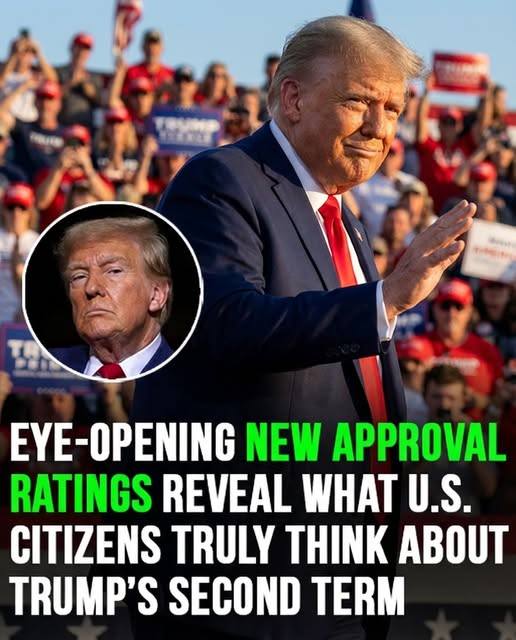
The celebration began well before any results were final. Trump’s allies filled the airwaves with promises of roaring tariffs, cheaper gas, and a nation that was finally “winning” again. At rallies and on friendly media, confidence was total and unquestioned.
Yet beyond the speeches and slogans, a different mood has been settling in. New polls point to stubborn disapproval and widespread fatigue, suggesting a country unsure it fully believes the story being told about Trump’s second term.
Supporters see something very different. To them, Trump remains a fighter delivering on long-promised toughness—on trade, border enforcement, and America’s standing abroad. They praise his certainty, his refusal to apologize, and his insistence that the nation is stronger and safer.
For these voters, turbulence is not a warning sign but proof. Chaos, confrontation, and global friction are framed as evidence that real change is finally happening after years of what they view as weakness and decline.
Polling, however, paints a colder picture. Roughly four in ten Americans approve of Trump’s performance, while a clear majority remains skeptical or opposed. The numbers suggest a presidency stuck in place rather than expanding its appeal.
Many respondents see his economic claims as overstated and his foreign policy victories as unclear. His hardline approach to immigration, once energizing to his base, is increasingly viewed by others as unnecessarily divisive.
This gap between Trump’s narrative and public sentiment has become a defining feature of his second term. Rallies reinforce loyalty, but they rarely persuade those already doubtful.
As the term continues, the challenge is not mobilizing supporters but convincing a weary nation that the promised gains are real. That divide—between triumphal messaging and persistent skepticism—may prove harder to overcome than any single policy fight.