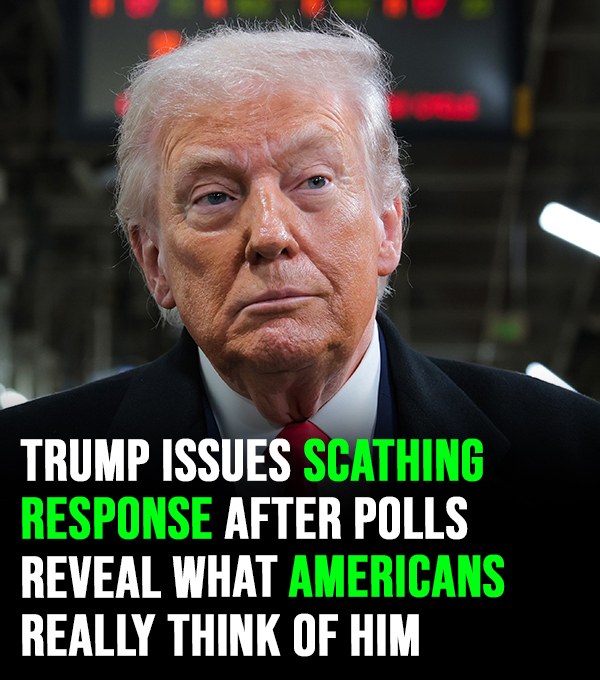
As the 2026 midterm elections approach, President Donald Trump’s approval numbers remain a major talking point among political analysts, voters, and the media.
After early months of his second term with relatively stable ratings, recent polling indicates that a growing share of Americans disapprove of Trump’s performance in office.
Those numbers, reported by multiple national surveys, have drawn sharp responses from the president, who has publicly attacked news outlets and pollsters alike.
Polls Show Weakening Approval
Several recent national surveys suggest that public confidence in Trump’s leadership is under strain. The Associated Press‑NORC Center for Public Affairs Research poll released in January 2026 found that only about four in 10 U.S. adults approve of the way Trump is handling his job as president, with a majority expressing disapproval.
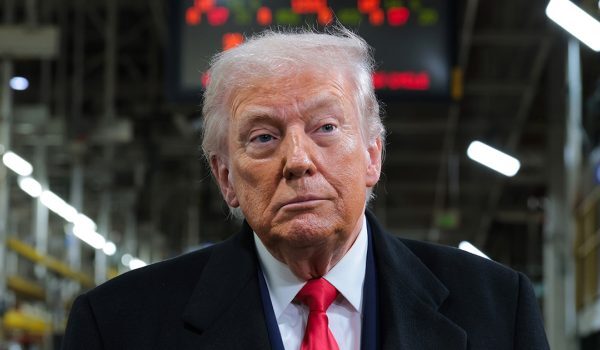
The poll also showed many voters think the president’s priorities are misplaced, and many are critical of his handling of the economy and immigration — two signature issues for his administration.
According to AP‑NORC:
About 37‑38% of adults approve of Trump’s economic leadership, a figure that has struggled to rise significantly throughout his term.
Similarly, immigration approval has dipped from earlier support levels, reflecting growing concern over how policies are being implemented.
Overall, a large proportion of respondents said Trump’s focus is on the wrong priorities for the nation more often than the right ones.
These findings echo a broader trend seen across multiple polling organizations. Although exact figures vary from poll to poll, the overall picture portrays a president with approval ratings consistently below 50% and disapproval ahead of approval, with evaluations tied closely to perceptions of economic conditions, immigration enforcement, and other pressing national issues.
Numbers From Across the Polling Landscape
Different polling outfits use varied methodologies and timing, but many show similar patterns:
National poll aggregators such as RealClearPolitics have consistently shown Trump’s approval rating in the low‑to‑mid‑40 percent range, with disapproval often in the mid‑50s or higher.
Independent surveys also indicate voters are skeptical about Trump’s direction for the country, with negative sentiment often tied to inflation, cost‑of‑living concerns, and foreign policy uncertainty.
Issue‑specific data points — like handling of the economy or immigration — often sit lower than his overall job rating, reflecting areas where voters feel less confident in his leadership.
Taken together, these surveys paint the picture of a leader whose public standing has slid from early enthusiasm in his second term to more skeptical or negative views among significant segments of the electorate.
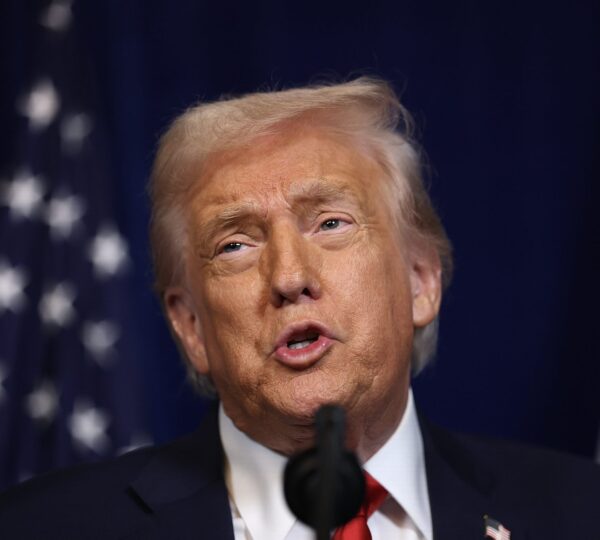
Trump’s Public Response: Attacks on Polling and the Media
In direct response to these and other unfavorable poll results, President Trump has issued a series of public statements attacking what he calls “fake and fraudulent polling.”
Writing on his social platform, Truth Social, Trump claimed that several major media outlets and polling firms are skewing public perception by publishing misleading or biased surveys.
He specifically mentioned surveys from outlets such as The New York Times, accusing them of misrepresenting his popularity and intentions.
In his posts and public comments, Trump has argued that what he calls “fraudulent polling” should be treated as a serious offense, suggesting that pollsters and the media should be held accountable for releasing numbers he believes are inaccurate or damaging.
He has also tied these criticisms to broader attacks on news organizations he deems hostile, echoing long‑standing grievances about media coverage.
Beyond rhetoric, Trump has taken legal action against news outlets in other contexts, notably filing or expanding defamation lawsuits against The New York Times and other media organizations over unrelated reporting.
These lawsuits have roots in previous legal actions tied to the 2024 election and broader media portrayals, though judges have often highlighted the high bar for defamation claims involving public figures under U.S. law.
Why Poll Numbers Matter — Especially Before Midterms
Poll numbers are not merely statistics; they influence how political campaigns are run, how parties allocate resources, and how voters perceive the viability of candidates and agendas.
Approval ratings below 50% are typically seen as precarious for an incumbent president — especially one whose party is defending narrow majorities in Congress.
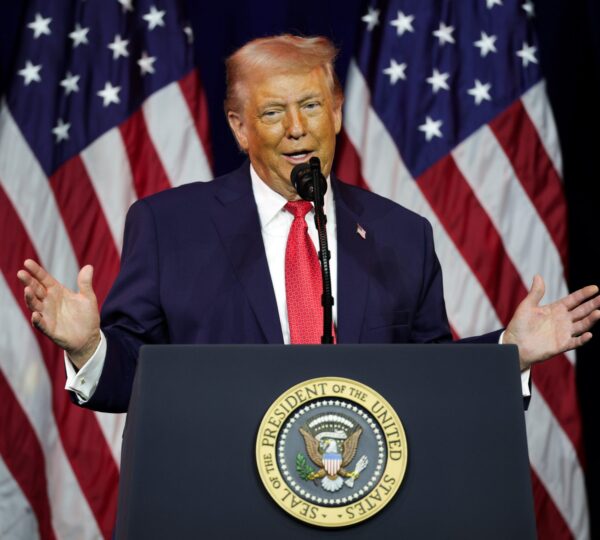
Historically, presidents with approval ratings consistently below 50% heading into midterm elections often face tougher environments for their party’s congressional candidates. Persistent disapproval can dampen voter enthusiasm, embolden opposition turnout, and complicate messaging for both presidential and down‑ballot races.
For Republicans, weakening support for Trump’s signature issues such as immigration enforcement and economic policy could signal potential vulnerabilities, particularly in districts or states where voters feel economic pressures acutely or disagree with federal approaches.
These dynamics are likely to be closely analyzed as the 2026 midterm campaigns intensify.
The Economy: A Central Factor
Public perception of the economy remains a core driver of presidential approval. Independent data from economic think tanks indicate that many Americans continue to view inflation, cost of living, and wage stagnation as pressing concerns.
Roughly seven in 10 Americans surveyed in recent research said the economy was fair or poor — a sentiment that weighs heavily on overall presidential evaluations.
This disconnect between the administration’s public assertions of economic strength and the lived experiences of many voters contributes to the challenge Trump faces in boosting his approval.
While job growth and labor market statistics may fluctuate, individual perceptions of personal financial security — including prices at the grocery store, energy costs, and housing affordability — significantly shape survey responses.
Immigration and Other Policy Areas
Initially one of Trump’s strongest rallying points, immigration policy approval has softened over time in national polling.
While enforcement and border security remain politically salient issues, recent events — including nationwide protests and criticism from both sides of the political spectrum — have complicated public opinion.
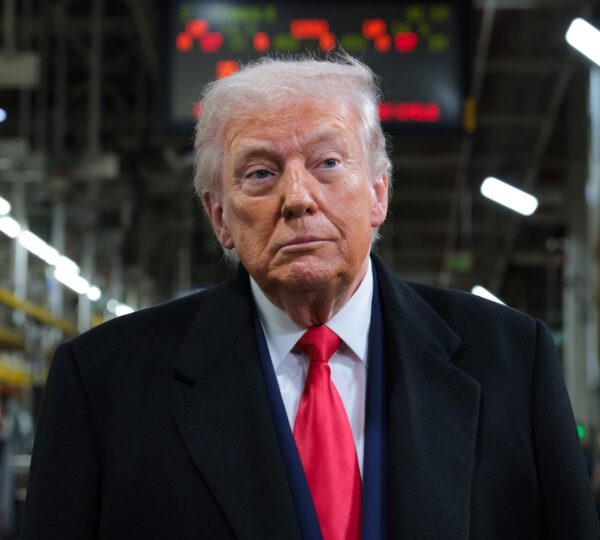
Notably, some recent surveys showed record‑low approval for Trump’s immigration handling, with only about four in 10 adults saying they support his approach.
Foreign policy is another area where public sentiment has been mixed. As global tensions persist — including conflicts in the Middle East, Ukraine, and strained relations with traditional allies — voters often rate presidential performance on foreign affairs differently than domestic issues.
Polls suggest Trump’s foreign policy ratings sit near or below his overall approval, further contributing to tepid public enthusiasm.
Internal Party Support vs. Broader Public Views
Polling breakdowns consistently show that Republican support for Trump remains comparatively strong, with majorities within his own party continuing to approve of his presidency. However, substantial opposition persists among Democrats and a considerable share of independents, making national figures appear more divided.
This internal split underscores the polarized nature of contemporary U.S. politics. While Trump maintains solid backing from his base, broader national consensus remains elusive.
Independent voters — often pivotal in swing elections — have shown higher rates of disapproval in many polls, suggesting potential challenges for Republican efforts to maintain or expand influence.
Critics of Trump’s Poll Critiques
Political analysts and some pollsters counter that criticizing unfavorable poll results is a long‑standing tactic among politicians who dislike the data. Polling organizations note that opinion surveys are snapshots of public sentiment at a specific moment, not definitive predictions of outcomes.
They also stress transparency in methodology and margin of error as essential to interpreting results accurately.
Experts point out that variability between different polls is normal given differing methods, sample frames, and timing — and that broad trends are more indicative of public opinion than any single survey.
Moreover, methodological improvements and cross‑referencing among reputable polling firms aim to reduce biases and provide a more comprehensive picture of voter attitudes.
Trump’s Narrative: Distrust of Media and Pollsters
President Trump’s criticisms resonate with a segment of the electorate that already harbors skepticism toward mainstream media institutions and conventional metrics of public opinion.
His narrative frames unfavorable polls not as reflections of public sentiment but as politically motivated distortions engineered by media adversaries. This approach aims to solidify his support base by reinforcing distrust in established outlets and elevating alternative voices that depict more favorable performance metrics.
However, critics argue that dismissing unfavorable poll results outright can undermine constructive dialogue and fuel polarization by casting legitimate data as inherently illegitimate.
A Pivotal Moment Before Midterms
As the 2026 midterm elections draw closer, Trump’s approval numbers and responses to them are likely to remain central to political discourse. With national attention focused on control of Congress, voter turnout trends, and key battleground states, the intersection of public opinion and political strategy will be intensely examined by both parties.
Whether Trump’s aggressive stance toward pollsters and media outlets shifts public perception — or further entrenches existing divisions — remains to be seen.
What is clear from recent data is that many Americans are evaluating his performance through the lens of economic conditions, immigration policy, and national priorities, and that these evaluations will continue to shape political narratives well into the election season.