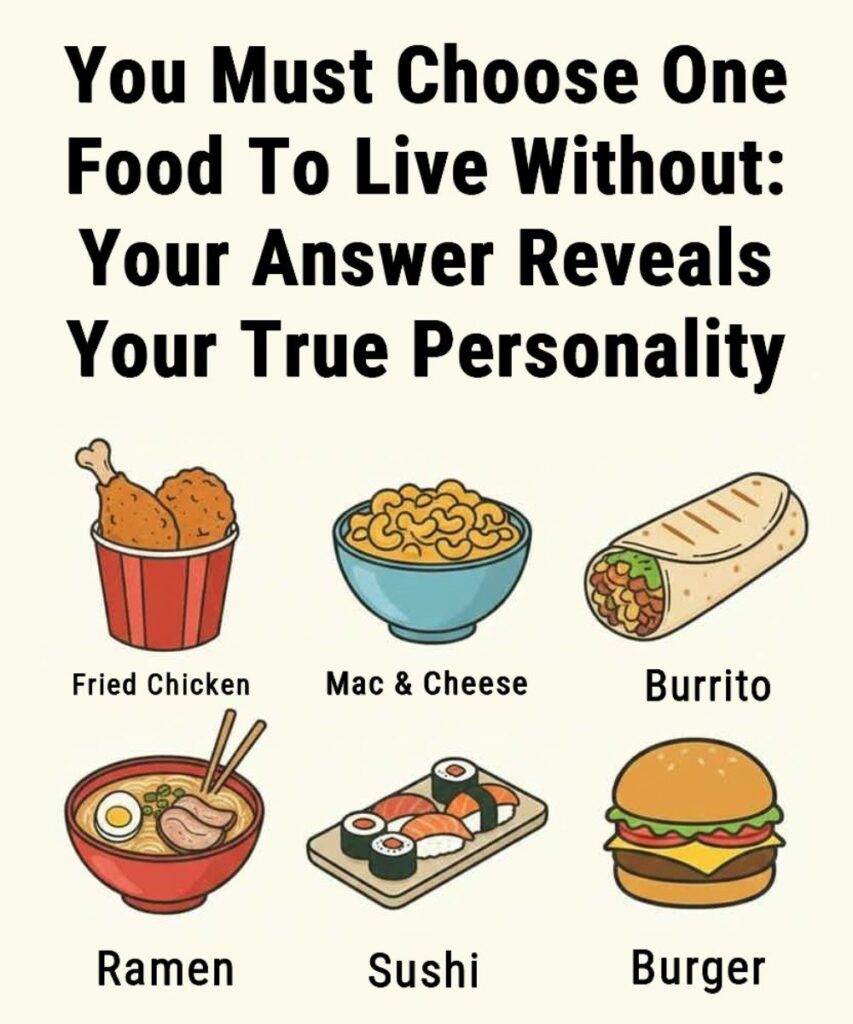
Imagine this scenario: you are offered a deal so simple, yet so challenging, it makes you pause. You can enjoy every food you love for the rest of your life — every pizza slice, chocolate bar, or perfectly roasted vegetable — except one.
That single dish, that one guilty pleasure or comfort food, disappears from your life forever. No exceptions. No second chances.
This is not a game of nutrition or diet; it is a test of self-awareness, preference, and even personality. At first, it may seem playful, even trivial. You may laugh at the impossibility of the choice, confident you could never give up your favorite comfort meal.
But the more you think about it, the more personal it becomes. Food is never just fuel. It carries memories, culture, emotions, and identity.
The food you are willing—or unwilling—to part with often reveals more about you than a personality test ever could. It shows how you relate to comfort, change, growth, and even discipline.
The Psychological Layer of Food Choices
Humans are emotionally wired to connect with food in deep and complex ways. From childhood favorites that remind us of home, to indulgent treats that reward us during stressful times, food shapes identity and emotional patterns.
Neuroscience shows that taste and memory are closely linked: flavors trigger vivid recollections and emotional responses. When asked to remove a food from one’s life, it is not simply about taste preferences; it becomes an exploration of attachment, priorities, and self-perception.
Your choice reveals the kind of person you are under pressure, how you deal with compromise, and what values you hold most dear. Let’s explore several common food options and what letting them go might say about you.
Fried Chicken: Discipline and Self-Control
Fried chicken is the epitome of comfort food for many. Its golden, crispy exterior and tender interior create an irresistible combination of texture and flavor.
Choosing to give up fried chicken may suggest a person who exercises discipline and self-control. You enjoy life’s pleasures, but you are capable of making sacrifices for long-term benefits.
This choice indicates someone who is mindful and able to prioritize health, goals, or ethical concerns over immediate gratification. You are aware that indulgence is temporary and can resist it when necessary, without resentment.
Choosing to forgo fried chicken does not mean you lack appreciation for comfort; rather, it shows that you can navigate pleasure with balance and intentionality.
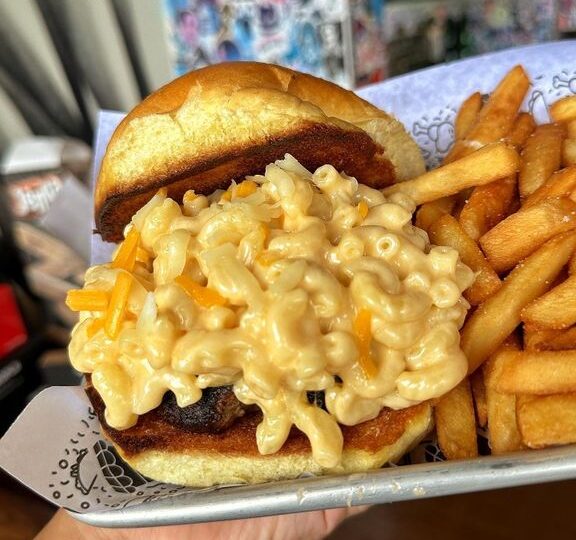
Mac & Cheese: Emotional Maturity and Growth
Macaroni and cheese holds a special place in the hearts of many. It evokes childhood memories, family dinners, and a sense of nostalgia.
Deciding to give up mac & cheese can reflect emotional maturity. You are comfortable with change and willing to let go of past comforts to embrace personal growth.
This choice suggests someone who is not defined by sentimentality. You can honor memories without clinging to them, demonstrating the ability to prioritize progress over attachment.
Letting go of mac & cheese may indicate resilience in other areas of life: relationships, career, or personal development, as you are able to face transitions without fear.
Burrito: Adaptability and Flexibility
Burritos represent variety and innovation in food. They can be customized endlessly, from traditional Mexican fillings to modern fusion ingredients.
Choosing to give up burritos may indicate that you are highly adaptable and flexible. Change excites you, and you thrive on new experiences.
This choice reflects an openness to experimentation in life, not just in culinary matters. You enjoy novelty, are capable of adjusting to new circumstances, and embrace diversity in your environment.

Walking away from a favorite burrito may indicate that your identity is not tied to routines, but rather to your ability to navigate and flourish amid change.
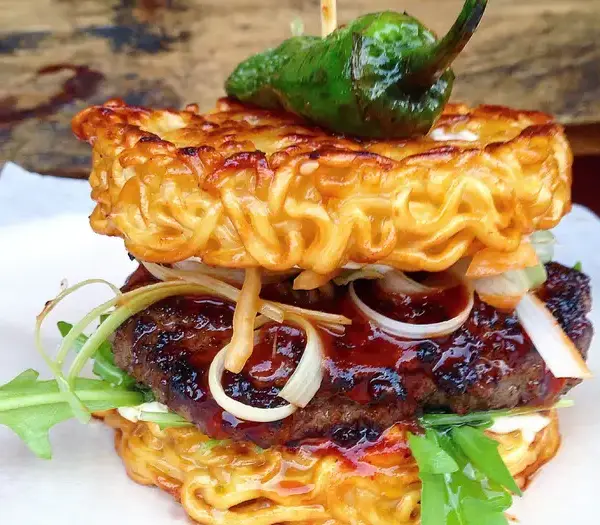
Ramen: Resilience and Self-Reliance
Ramen, with its rich broth, chewy noodles, and endless topping possibilities, is often associated with convenience, comfort, and survival.
Giving up ramen may reflect resilience—the ability to move beyond survival mode and embrace growth and improvement in life.
Choosing to forgo a staple like ramen suggests someone who has developed coping mechanisms and no longer relies on comfort foods as a primary source of emotional support.
It signals independence and a willingness to face challenges head-on, without clinging to what is easy or familiar. This choice reveals a person who prioritizes personal development and strength over temporary pleasure.
Sushi: Groundedness and Discerning Taste
Sushi is a sophisticated dish that combines artistry, balance, and precision. Choosing to give up sushi may reflect a grounded personality. You value quality, aesthetics, and experience, but you do not chase indulgence simply for status or appearance.
This choice suggests someone who appreciates subtleties in life. You know what you like, are comfortable with moderation, and are not swayed by societal trends or peer pressure.
Walking away from sushi does not indicate lack of taste—it shows that you find satisfaction in simplicity and focus on what truly matters to you.

Burger: Confidence and Individuality
Burgers are iconic in Western culture—hearty, satisfying, and widely loved. Opting to give up burgers may indicate confidence and individuality.
You are someone who does not follow the crowd, someone who makes choices based on personal values rather than conformity.
This choice reflects self-assuredness and autonomy. You are willing to step away from universally accepted pleasures because you know your priorities and trust your judgment.
Giving up a popular dish like a burger demonstrates that your sense of self is secure, independent, and rooted in personal authenticity rather than social expectation.
Why This Exercise Feels So Personal
This hypothetical question feels intimate because food is deeply intertwined with emotion. It is not merely about taste; it’s about the memories we associate with each dish, the comfort it provides, and the cultural significance it carries.
Whether it reminds us of family gatherings, late-night study sessions, or celebrations with friends, each meal is part of our personal narrative.
When confronted with the idea of giving up a beloved food, you are forced to reflect on your emotional attachments, your capacity for change, and how you approach sacrifice.
It invites introspection: how easily can you let go of comfort? What pleasures are essential to your identity? How do you balance gratification with discipline or self-growth?
The Broader Implications
Psychologists often use similar exercises to gauge personality traits, coping mechanisms, and value systems. While this is not a scientifically rigorous personality test, the principles are insightful. For example:
Choosing comfort foods to keep may indicate a need for security and emotional reassurance.
Giving up indulgent or nostalgic foods may reflect maturity, adaptability, and long-term thinking.
Choosing flexibility over attachment suggests openness to experience and a comfort with uncertainty.
By reflecting on your food choices, you gain insight into your behavioral patterns, priorities, and emotional resilience. It’s a playful yet surprisingly revealing exercise that encourages mindfulness and self-awareness.
How to Reflect on Your Choice
If you want to explore what your decision says about you, consider these steps:
Identify emotional triggers: Think about why you love each food. Is it taste, comfort, memory, or social experience?
Examine attachment: Which food would be hardest to give up and why? This reveals what you hold most dear emotionally.
Consider values: Which food can you part with without regret? This shows your ability to prioritize long-term well-being or principles over immediate pleasure.
Reflect on adaptability: How do you handle this choice emotionally? Do you feel excitement, loss, or challenge?
By engaging in this reflection, you learn not only about your relationship with food but also about broader life skills such as self-control, emotional intelligence, and adaptability.
The Fun of Sharing and Community
One of the most fascinating aspects of this exercise is how people respond differently. Sharing your choice on social media or in a community can lead to surprising discussions.
Friends may be shocked that you gave up a comfort food they consider essential, or they may resonate with your reasoning. This sparks dialogue about personality, habits, and priorities.
People often discover patterns in others’ choices as well. For instance:
People giving up fried chicken may bond over discipline and health consciousness.
Those giving up mac & cheese often discuss emotional growth or maturity.
Burrito eliminators may celebrate flexibility and adventurousness.
Ramen abstainers emphasize resilience and personal strength.
Sushi choosers highlight groundedness and quality appreciation.
Burger sacrificers affirm confidence and individuality.
Sharing these reflections fosters community, empathy, and understanding, illustrating how even a playful question about food can lead to meaningful insights into personality and life philosophy.
The Deeper Lesson
Ultimately, the exercise is not about food at all. It is about awareness, choice, and values. Every decision we make, whether about meals, lifestyle, or relationships, offers a mirror to our inner selves.
Choosing a food to give up forever forces introspection about comfort, attachment, and growth. It asks us to consider: how much do we let emotions guide us?
How willing are we to sacrifice something enjoyable for the sake of growth or principle? How do we balance indulgence with mindfulness?
This playful yet profound exercise reminds us that even small, everyday choices can reveal deeper truths about who we are and how we navigate life. It encourages thoughtfulness, reflection, and dialogue—tools that are useful far beyond the dinner table.
Conclusion
So, which food would you choose to give up forever, and why? The answer is less about right or wrong, and more about self-discovery.
Whether it’s fried chicken, mac & cheese, burritos, ramen, sushi, or burgers, each choice reflects different strengths: discipline, emotional maturity, adaptability, resilience, groundedness, or confidence.
By considering this question deeply, you not only gain insight into your preferences but also into your personality, coping strategies, and approach to life’s challenges.
Sharing your choice with others opens doors to conversation, understanding, and even surprise, as you realize how a simple food can reveal complex truths about identity, values, and emotional intelligence.
Food is far more than nourishment. It is culture, memory, comfort, and identity. And sometimes, the foods we choose to part with—or hold onto—tell us more about ourselves than we ever imagined.
So, take a moment. Reflect. Decide. And then share. You may be surprised by what your choice reveals—not just about your taste buds, but about who you are as a person.