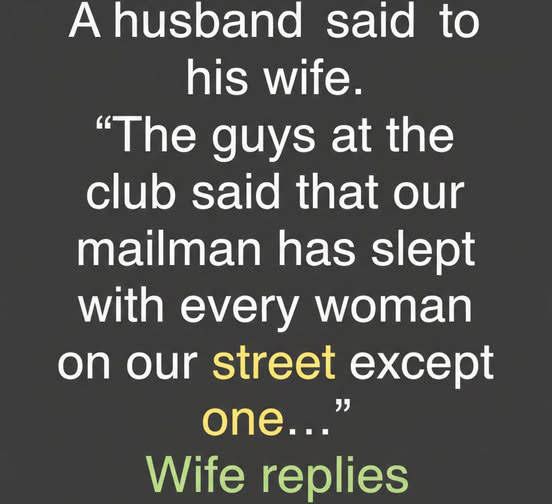
By Monday, the street had learned a new way to look at her house. Curtains twitched a fraction longer. Conversations paused a beat too late. The mailman still walked the same path, but now his footsteps sounded like accusations. Melissa tried to be normal—watering the plants, waving at neighbors—but normal had become a performance graded by unseen judges.
She started hearing the rumor in silence more than in speech: in the clipped “how are you,” in Paula’s sudden fascination with her phone, in the way laughter thinned when she entered a room. No one said anything outright, which made it worse; the story was always almost there, just behind their teeth. Eventually, Melissa realized the cruelest part wasn’t whether they believed it. It was that, for the first time, they were talking about her at all—and she wasn’t sure if the ache in her chest was shame or relief.