Health products that people use every day are generally designed with safety and comfort in mind. From medications to personal hygiene items, millions of consumers rely on these products to improve their quality of life. However, even widely trusted products can carry rare health risks if certain conditions occur.
Stories of individuals who have experienced unexpected complications often play an important role in raising awareness about safety and informed product use. One such story is that of a woman whose experience with a rare medical condition transformed her life and sparked wider discussions about consumer education, product transparency, and health awareness.
Her journey is not simply about hardship—it is about resilience, advocacy, and the importance of understanding how everyday products interact with our bodies.
An Ordinary Day That Took an Unexpected Turn
For many people, minor health symptoms such as fatigue, a mild fever, or body aches are easy to dismiss. Busy schedules and everyday responsibilities often lead individuals to ignore early warning signs, assuming that rest or basic medication will solve the problem.
That was the case for Lauren, who initially believed she was dealing with nothing more than routine illness. Like many people juggling responsibilities, she continued her normal routine while experiencing symptoms that seemed manageable at the time.
However, as the day progressed, her condition worsened in ways she did not anticipate. What began as mild discomfort quickly developed into a medical emergency that required immediate hospital care.
When she arrived at the emergency room, doctors began urgent evaluations to determine the cause of her rapidly deteriorating health.
Understanding Toxic Shock Syndrome
Lauren’s condition was eventually identified as Toxic Shock Syndrome (TSS)—a rare but serious illness caused by toxins produced by certain types of bacteria.
Toxic Shock Syndrome
Although uncommon, Toxic Shock Syndrome has been documented in medical literature for decades. It can affect anyone but is sometimes associated with specific circumstances such as:
- Skin wounds or infections
- Surgical procedures
- Certain medical conditions
- Use of specific personal hygiene products
The illness develops when bacterial toxins enter the bloodstream and trigger a severe immune response. Symptoms can escalate quickly and may include:
- Sudden high fever
- Low blood pressure
- Confusion or dizziness
- Muscle aches
- Skin reactions
- Organ complications in severe cases
Early diagnosis and treatment are critical because the condition can progress rapidly.
A Medical Emergency That Required Immediate Action
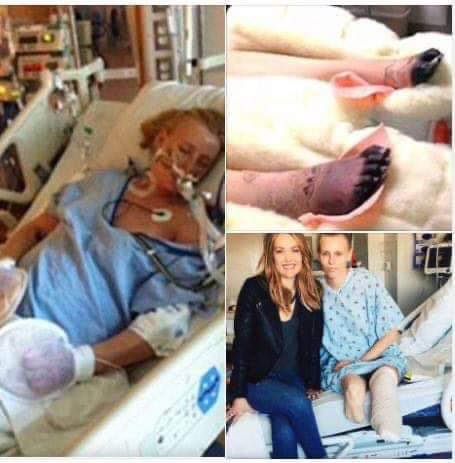
By the time Lauren received medical attention, her condition had already become critical. Doctors worked quickly to stabilize her, administering treatments designed to combat infection, support organ function, and control the body’s response to the toxins.
Despite these efforts, the infection had already caused significant damage to parts of her body. In situations like this, doctors must sometimes make extremely difficult decisions to protect a patient’s life.
Medical teams prioritize stopping the spread of infection and preventing further complications. This can require intensive treatment, extended hospital care, and complex surgical procedures.
For Lauren, the outcome would permanently change her life.
A Life-Altering Outcome
When Lauren eventually regained consciousness after intensive medical care, she faced the emotional and physical reality of what had happened.
Doctors had performed an amputation to prevent the infection from spreading further and to protect her overall health. Although the procedure saved her life, it also marked the beginning of a long journey of recovery and adaptation.
The experience was overwhelming. Adjusting to such a dramatic change required both physical rehabilitation and emotional resilience.
Yet recovery stories like Lauren’s also demonstrate the incredible capacity people have to rebuild their lives after medical trauma.
Recovery, Rehabilitation, and Moving Forward
Following her hospital treatment, Lauren entered a lengthy rehabilitation process. This stage focused on helping her regain strength, adapt to new physical circumstances, and rebuild confidence in daily activities.
Rehabilitation programs often include several components:
- Physical therapy: improving mobility, balance, and strength
- Occupational therapy: learning practical ways to perform everyday tasks
- Psychological support: helping individuals process emotional challenges
- Assistive technology training: learning to use prosthetic devices or mobility tools
With time, determination, and support from healthcare professionals and loved ones, many individuals learn to regain independence and pursue their goals once again.
Lauren gradually rebuilt her routine and began to look toward the future with renewed purpose.
Turning Personal Experience Into Advocacy
Rather than keeping her experience private, Lauren eventually decided to speak openly about what had happened. Her goal was not to create fear but to encourage awareness and informed decision-making.
Her story resonated with many people because it highlighted how important it is to understand the potential risks—however rare—associated with everyday products.
She began sharing her experience through public speaking, educational campaigns, and discussions focused on consumer safety and health awareness.
Advocacy efforts like these can help improve public knowledge and encourage companies and regulators to communicate product information more clearly.
Why Consumer Awareness Matters
Most health and hygiene products sold today undergo extensive testing and regulatory review. However, even well-tested products can carry small risks under certain circumstances.
Consumer awareness plays an important role in reducing those risks. Understanding instructions for proper use, recommended time limits, and potential warning signs helps individuals protect their health.
Key steps for safe product use include:
- Reading product instructions carefully
- Following recommended usage guidelines
- Monitoring for unusual symptoms
- Seeking medical attention if symptoms worsen
These basic habits can make a meaningful difference in preventing complications.
The Role of Transparent Communication
Another important lesson from stories like Lauren’s is the importance of transparent communication between manufacturers, healthcare professionals, and consumers.
Clear labeling, accurate safety information, and ongoing research help ensure that the public has access to the knowledge they need to make informed choices.
Health authorities and regulatory agencies also monitor reports of adverse events in order to identify potential patterns and improve safety recommendations when necessary.
Transparency and open communication strengthen trust between consumers and the companies that produce everyday health products.
The Importance of Listening to Early Symptoms
One of the key takeaways from many medical cases is the importance of recognizing and responding to early symptoms.
Because Toxic Shock Syndrome can progress rapidly, early treatment significantly improves outcomes. Medical experts often encourage individuals to seek medical care if they experience sudden severe illness or symptoms that worsen unexpectedly.
Prompt attention allows healthcare professionals to evaluate the situation and begin appropriate treatment as quickly as possible.
Even when symptoms turn out to be minor, seeking medical advice can provide peace of mind and help prevent potential complications.
Advances in Medical Treatment
Modern medicine continues to improve the diagnosis and treatment of rare conditions like Toxic Shock Syndrome.
Advances include:
- Improved laboratory testing to detect bacterial infections
- Enhanced critical care techniques
- Better understanding of bacterial toxins and immune responses
- Updated public health guidelines for product safety
These developments have helped doctors respond more effectively to medical emergencies and improve survival rates.
Research and innovation remain essential for further reducing risks and improving patient outcomes.
Resilience and Personal Strength
Lauren’s journey illustrates how individuals can transform personal hardship into a powerful force for awareness and change.
Her willingness to speak openly about her experience has helped educate others about a condition many people had never heard of before. By sharing her story, she has encouraged conversations about safety, health education, and personal empowerment.
Stories like hers also remind us that recovery is not just about medical treatment—it is about resilience, community support, and the determination to rebuild life after unexpected challenges.
Building a Culture of Health Awareness
Public health experts often emphasize that awareness is one of the most effective tools for prevention.
When people understand potential risks and know how to recognize warning signs, they are better equipped to protect themselves and those around them.
Educational campaigns, school programs, and healthcare outreach initiatives all contribute to building a culture where individuals feel empowered to take an active role in their well-being.
Moving Toward Safer Products and Informed Choices
The health and wellness industry continues to evolve as researchers, manufacturers, and regulatory agencies work together to improve safety standards.
Ongoing efforts include:
- Updating product guidelines
- Enhancing testing procedures
- Strengthening reporting systems for adverse events
- Providing clearer educational resources for consumers
These improvements help ensure that products remain as safe as possible while maintaining the convenience and benefits people rely on every day.
A Story That Continues to Inspire
Although Lauren’s experience began with a sudden and frightening medical emergency, it eventually became a story of determination and purpose.
By transforming her personal challenge into advocacy, she has contributed to broader awareness about an important health issue.
Her journey serves as a reminder that knowledge, preparedness, and open communication are powerful tools in protecting public health.
When individuals, healthcare professionals, and organizations work together to promote awareness and transparency, communities become stronger and better prepared to face unexpected challenges.