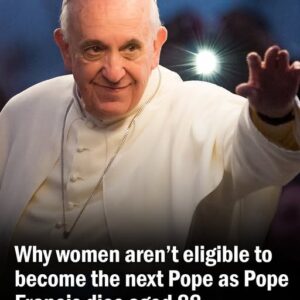
On April 21, 2025, Pope Francis, the 266th leader of the Roman Catholic Church, passed away at the age of 88. The pontiff reportedly suffered a stroke and heart failure, ending a historic and often groundbreaking 12-year papacy. His death leaves the Catholic Church at a critical crossroads, with unresolved internal challenges and global pressures waiting for the next leader of the world’s 1.3 billion Catholics.
Pope Francis’ legacy is one of compassion, humility, and reform. Known for championing the poor and marginalized, advocating for climate action, and making efforts toward modernizing Vatican operations, his leadership was both celebrated and controversial. Francis opened discussions on previously untouchable topics, such as the role of women in the Church, outreach to LGBTQ+ Catholics, and clerical abuse accountability. Yet, despite these advances, many of the Church’s deeply rooted doctrines, including the male-only priesthood, remained unchanged under his tenure.
Following his passing, the Catholic Church has entered a period known as sede vacante, meaning “the seat is vacant.” In accordance with centuries-old tradition, the Cardinal Camerlengo officially confirmed the pope’s death and secured his personal apartments. The Vatican has now announced that a papal conclave will begin on May 7, 2025. In this highly secretive event, cardinals under the age of 80 will gather in the Sistine Chapel to elect the next pope.
The election process is steeped in symbolism and ritual. Each voting session concludes with ballots burned in a special stove; black smoke indicates no decision, while white smoke signals that a new pope has been chosen. To be elected, a candidate must receive a two-thirds majority. While technically any baptized male Catholic could be elected, in practice, the conclave almost always selects one of the cardinals present.
This raises an enduring question: could a woman ever become pope? According to current Catholic doctrine, the answer remains no. The Church holds that only baptized men can be ordained as priests, bishops, and ultimately, pope. This position is rooted in both canon law and theological tradition. The Church teaches that Jesus Christ selected only male apostles, and it considers itself bound by that precedent.
In 1994, Pope John Paul II reaffirmed this stance in his apostolic letter Ordinatio Sacerdotalis, declaring that the Church has no authority to ordain women as priests, a position considered definitive. As such, women are barred from holding any clerical office requiring ordination, including the papacy. While women play vital roles in Catholic education, healthcare, and even within Vatican departments, their exclusion from ordained ministry remains one of the most debated issues within the Church.
As the conclave approaches, global attention turns to the future of the papacy. Many wonder whether the next pope will follow in Francis’ reform-minded footsteps or take a more traditional route. What is clear, however, is that the issue of women’s ordination and other calls for modernization will continue to shape the conversation within the Church for years to come.