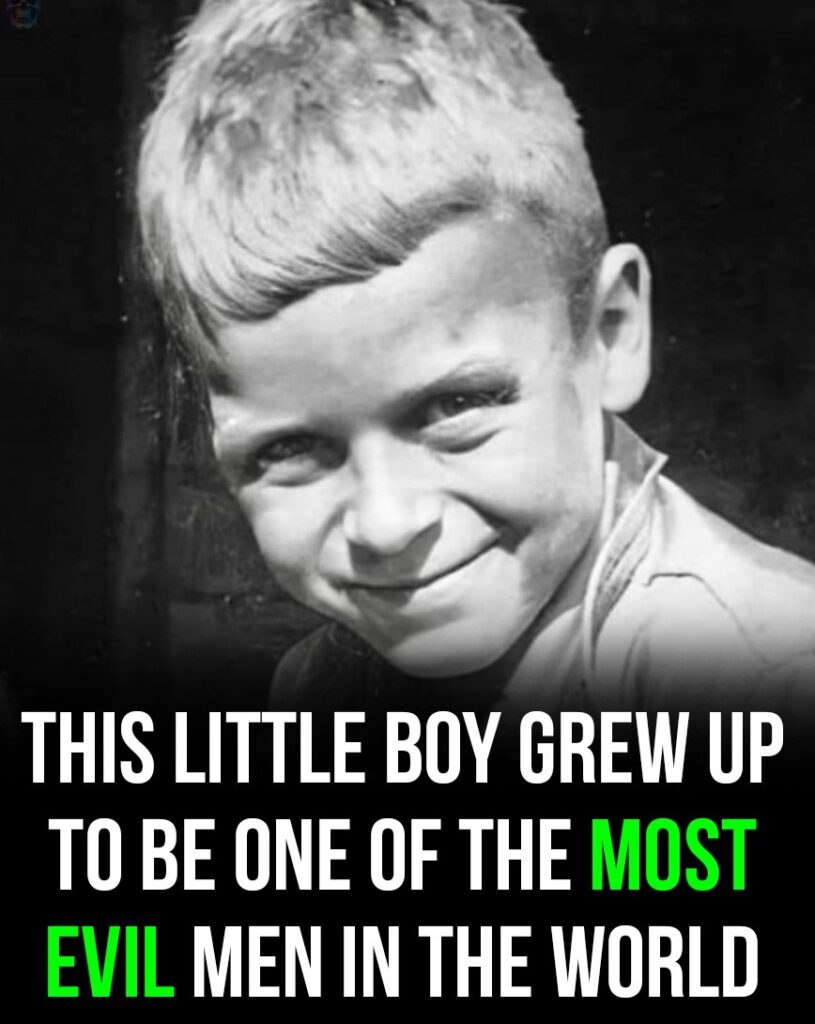
At first glance, the boy in the old black‑and‑white photo seems ordinary — shy, quiet, polite, growing up in a small town with a paper route and involvement in Scouts.
It’s almost unthinkable that this same child would grow into one of the most notorious serial killers in American history: Theodore Robert Bundy.
Bundy’s life and crimes have fascinated and horrified the public for decades. His ability to appear normal, intelligent, and charming made his crimes even more shocking when the truth emerged.
Yet understanding how Bundy became the person he did requires looking at a mix of his early life, psychological makeup, criminal methods, law‑enforcement investigation, and eventual capture, trial, and execution.
A Troubled Beginning: Birth and Family Confusion
Theodore “Ted” Bundy was born on November 24, 1946, in Burlington, Vermont, at the Elizabeth Lund Home for Unwed Mothers, a facility where unmarried women could give birth discreetly.
His mother, Eleanor Louise Cowell, was a young unwed woman whose parents were reportedly deeply uncomfortable with her pregnancy. As a result, Ted was initially raised by his maternal grandparents, who told him his mother — Louise — was actually his older sister.
This confusing early family situation has fueled speculation among psychologists and criminologists about how it might have impacted his developing sense of self and attachment.
Bundy himself later suggested that he realized the truth well before adulthood when he saw a birth certificate listing his father as “Unknown.”
Several popular accounts (including Bundy’s own later discussions and biographies of him) also mention rumors — now widely discredited — that his biological father might have been his grandfather.
However, there is no credible evidence to support this claim, and DNA analyses have undermined such theories.
In the early years, Bundy’s family moved westward. By age three, he and his mother had relocated to Tacoma, Washington, where his stepfather, Johnnie Bundy, legally adopted him.
Although Bundy sometimes portrayed his childhood as “normal,” those who knew him have noted social awkwardness and moments of troubling behavior in youth.
Childhood and Adolescence: The Early Signs
Bundy’s early life contained strands that later puzzled experts:
1. Social Challenges and School Life
Bundy attended public schools and participated in activities like Boy Scouts, but he was reportedly uneasy in social situations and was teased for a speech impediment in childhood.
He was criticized by some peers for his appearance and social awkwardness — experiences that may have contributed to insecurity later in life.
2. Early Mischief and Disturbing Acts
While some accounts of his behavior in childhood are anecdotal and debated, there are documented observations from family and acquaintances of unusual or alarming behavior.
For example, stories circulated of him placing knives near a sleeping relative — an act that was later interpreted by some psychologists as an early display of boundary‑crossing behavior.
At times Bundy’s behavior overlapped the normal — playing with other children, delivering newspapers, and enjoying outdoor activities — but experts note that outward normalcy can mask inner turmoil. Even Bundy himself would later describe parts of his youth as typical, though the full picture was far more complex.
Education and Early Adulthood
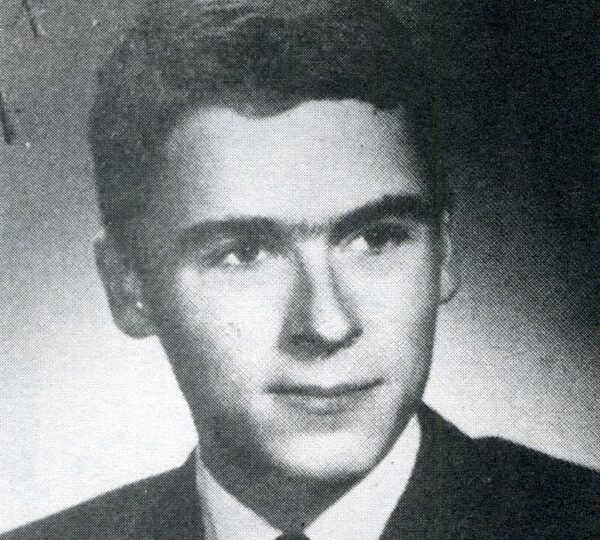
Despite his emotional and social contradictions, Bundy was intelligent and showed talent academically. He graduated from the University of Washington with a degree in psychology in 1972.
He was respected by some professors and even worked on a campaign for the Republican governor of Washington, gaining letter‑of‑recommendation support in the process.
He later began attending law school in Utah, though he never completed the degree. During his college years, Bundy maintained relationships, including a long‑term romance with a woman named Diane Edwards.
Some criminologists have speculated that the appearance of his victims — typically attractive, white women with long, dark hair parted in the middle — mirrored traits of people he knew in his younger years.
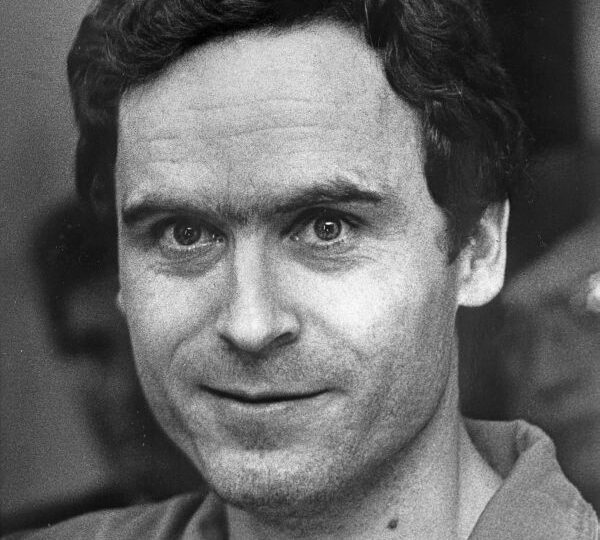
These educational and social successes helped create a public persona that was intelligent, polite, and even ambitious — a façade that would make his crimes all the more stunning once revealed.
The Murders Begin: A Wave of Violence Across States
Bundy’s killing spree, as far as law enforcement could confirm, began in earnest in 1974, although some experts believe he may have started earlier.
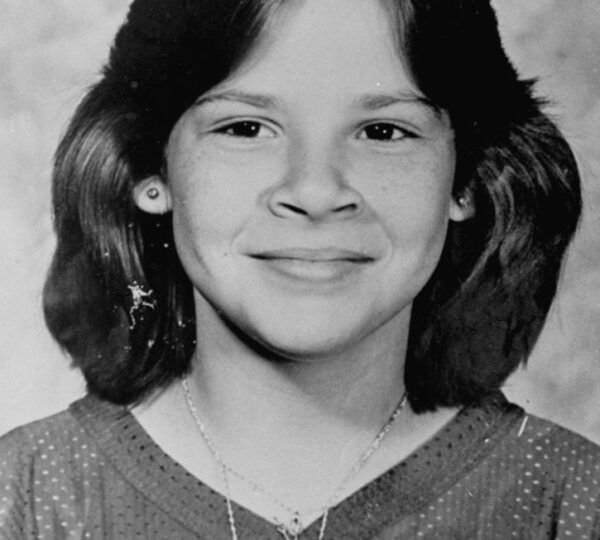
He primarily focused on young white women and girls between roughly 15 and 25 years old, though his final known victim was a 12‑year‑old girl named Kimberly Leach in Florida.
How He Lured Victims
Bundy’s modus operandi was calculated and manipulative:
He often feigned having a broken arm, crutches, or a limp to appear vulnerable.
Sometimes he pretended to be an authority figure — such as a police officer or firefighter — or someone in need of assistance, prompting good‑hearted women to help him.
Once his victims approached, he would strike them from behind with a blunt object, often a crowbar, rendering them unconscious before restraining and abducting them.
Bundy then transported his victims to secluded locations, where he raped and murdered them, often returning to interact with the bodies afterward — a chilling pattern that helped define his criminal signature.
Confirmed and Suspected Victims
Bundy eventually confessed to killing at least 30 people across seven states — Washington, Oregon, Utah, Colorado, Idaho, and Florida — from 1974 to 1978, though criminal experts believe the true number could be far higher.
Some of the most well‑known cases include:
Lynda Ann Healy (February 1974) — A University of Washington student who disappeared from her off‑campus home. Her remains were later found on Taylor Mountain.
Multiple young women at Lake Sammamish State Park and other public areas, taken after encountering a limping man with a briefcase.
Chi Omega Sorority House murders (January 14, 1978) — Bundy broke into a Florida State University sorority house, killing two women and injuring others.
Kimberly Diane Leach (February 9, 1978) — A 12‑year‑old girl kidnapped from her school, who became Bundy’s last known victim.
Survivors like Carol DaRonch, Kathy Kleiner Rubin, and Cheryl Thomas managed to escape Bundy’s attacks, later providing critical information that helped investigators piece together the pattern of his crimes.
Capture, Trial, and Infamy
Bundy was first arrested on August 16, 1975, after a Utah highway patrolman spotted his suspicious vehicle and found handcuffs, a ski mask, rope, and other tools consistent with his known methods.
While in custody in Colorado, Bundy made headlines by escaping twice in 1977. The first escape occurred when he jumped out of a courthouse window; the second involved him slipping through a hole he had chiseled in the jail ceiling. On the run for months, he eventually made it to Florida, where he resumed his attacks before being recaptured in early 1978.
Bundy’s trials were among the most publicized of the era. With his handsome looks, articulate speech, and high intelligence, he became a public spectacle — sometimes described as half courtroom drama, half macabre celebrity story.
He was convicted of multiple counts of murder and sentenced to death in two separate trials for the Chi Omega murders, and later received a third death sentence for the murder of Kimberly Leach.
The Execution and Final Years
Bundy spent nearly a decade on death row in Florida appealing his sentences, trying to delay or overturn them through higher courts, including the U.S. Supreme Court.
On January 24, 1989, Ted Bundy was executed by electric chair at the Florida State Prison in Raiford, aged 42. He was pronounced dead shortly after the electricity was applied, ending years of legal maneuvering.
In his final moments, Bundy declined a special last meal and instead was served the traditional fare — though he did not eat it — and reportedly made a brief statement asking that his love be given to family and friends.
Why Bundy Still Grips the Public Imagination
Ted Bundy’s case remains one of the most studied and retold criminal stories in American history. Several factors contribute to this enduring fascination:
1. The Contrast Between Appearance and Reality
Bundy looked and acted like an average, even charming, person — a detail that shattered public assumptions about what a dangerous criminal “looks like.”
2. The Scope and Brutality of His Crimes
His calculated methods, repeated luring of victims, and interstate pattern challenged law enforcement and led to improvements in policing and profiling methods.
3. His Brief Celebrity and Courtroom Presence
Bundy’s courtroom comportment — sometimes waving to cameras and representing himself — created a kind of involuntary celebrity status that blurred lines between crime reporting and media spectacle.
4. Influence on Criminal Profiling and Psychology
His case helped shape modern understanding of serial killers and the psychological profiles investigators use today, with interviews and academic studies continuing long after his death.
Remembering the Victims
While Bundy’s name has become infamous, it is critical to center the victims — young women and girls whose lives were cut short or who survived at terrible cost. Survivors, families, and communities grieve those losses and work to honor the memory of each person taken from the world.
Conclusion: A Life of Horror, a Legacy of Lessons
Ted Bundy’s life story serves as one of the most chilling examples of how a seemingly ordinary person can hide extraordinarily evil behavior.
His legacy is not just in the crimes he committed but in the awareness, law enforcement collaboration, and public discussion his case spurred in criminal justice and psychology.
His crimes devastated families and communities across the United States, and the overwhelming weight of evidence makes him one of the most notorious serial killers in modern criminal history.
Yet his story also contributed to changes in investigative approaches, victim advocacy, and forensic psychology — lessons born of horror but applied to future prevention and justice.