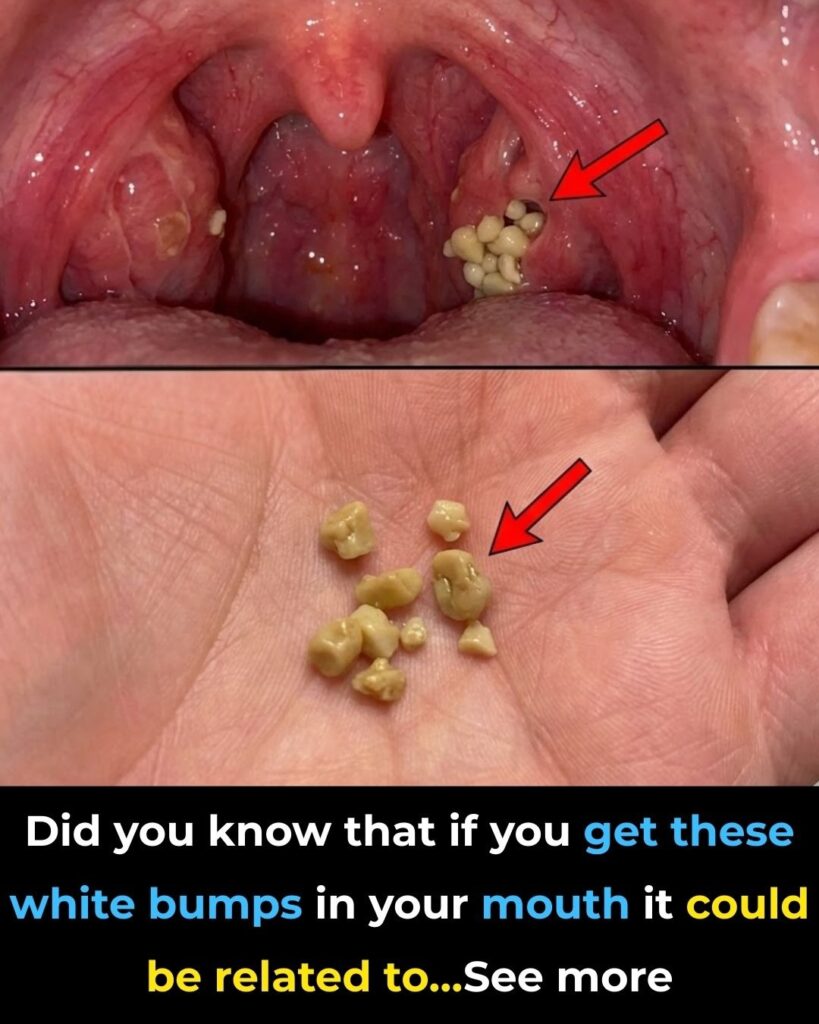
You’re brushing your teeth, gargling, minding your own business—then you cough, and out pops a small, white, foul-smelling pebble.
Welcome to the weird world of tonsil stones (or tonsilloliths).
While not dangerous, these little calcified clumps can cause chronic bad breath, throat discomfort, and that annoying feeling like something’s stuck in your throat. The good news? With the right care, you can prevent them—or even stop them for good.
What Are Tonsil Stones?
Tonsil stones are hardened clusters of debris that form in the crevices (called crypts) of your tonsils. They’re made of:
Dead white blood cells
Food particles
Bacteria (especially odor-causing anaerobes)
Mucus
Over time, this buildup calcifies into soft, chalky lumps—ranging from the size of a poppy seed to a pea.
Fact: They’re more common in people with large tonsils, deep crypts, or chronic tonsillitis—but anyone can get them.
Common Symptoms
You might not even know you have them—unless you experience:
Common Symptoms
You might not even know you have them—unless you experience:
Persistent bad breath (halitosis) that doesn’t improve with brushing
Feeling of a lump in the back of your throat
Sore throat or discomfort when swallowing
Ear pain (referred pain via shared nerves)
White or yellow spots on your tonsils
Metallic taste or frequent coughing
Note: Tonsil stones are not an infection—but they can worsen if bacteria overgrow.
How to Remove Tonsil Stones Safely
At-Home Removal (For Mild Cases)
Gargle with warm salt water
→ Loosens debris and reduces bacteria. Use 1 tsp salt in 1 cup warm water, 2–3x/day.
Use a cotton swab or clean finger
→ Gently press around (not directly on) the stone to dislodge it.
Never use sharp objects—you can damage your tonsils!
Water flosser on low setting
→ A gentle stream can flush out crypts. Keep pressure low to avoid injury.
Cough or gargle vigorously
→ Sometimes, a strong cough is all it takes.
When to See a Doctor
Stones are large, painful, or recurrent
You can’t remove them safely
You have swelling, fever, or difficulty breathing
Professional options:
Manual removal by an ENT
Laser cryptolysis (smoothing tonsil surface)
Tonsillectomy (last resort for chronic cases)
How to Prevent Tonsil Stones for Good
Prevention is key—and it starts with oral hygiene:
1. Brush & Floss Daily
Bacteria from dental plaque feed tonsil stones. Brush twice a day, floss nightly, and don’t forget your tongue (use a scraper!).
2. Stay Hydrated
Dry mouth = more bacteria. Drink water throughout the day to keep saliva flowing—it naturally cleanses your mouth.
3. Gargle After Meals
Rinse with salt water or alcohol-free mouthwash after eating to flush food particles from tonsil crypts.
4. Avoid Smoking & Dairy (If Prone)
Smoking dries the mouth and irritates tonsils.
Dairy can thicken mucus for some people, trapping more debris.
5. Treat Sinus & Allergy Issues
Post-nasal drip feeds tonsil stones. Manage allergies, sinus infections, or chronic congestion with your doctor.
Myth vs. Fact
Myth: Tonsil stones mean you’re “dirty” or don’t brush well.
Fact: Even people with excellent hygiene get them—especially if anatomy (deep crypts) is a factor.
Myth: You must have your tonsils removed.
Fact: Most cases resolve with hygiene and at-home care. Surgery is rare.
When to Worry
Tonsil stones are almost always benign—but see a doctor if you notice:
One-sided tonsil swelling
Unexplained weight loss
Persistent hoarseness
Neck lumps that don’t go away
These could signal something more serious.
The Bottom Line
Tonsil stones are annoying but manageable. With consistent oral care, hydration, and smart habits, you can reduce their frequency—or eliminate them entirely.
So gargle, stay hydrated, and don’t panic if you spot a tiny white pebble. It’s gross—but not dangerous.
“Your mouth is a garden—tend to it daily, and unwanted growth won’t take root.”
Have you dealt with tonsil stones? What worked for you? Share your tips below—we’re all learning to breathe (and speak) fresher together!