Bo Bice and the Popeyes Incident: A Story of Racial Bias and Social Media Backlash
In January 2017, a surprising incident unfolded involving American Idol runner-up Bo Bice and a Popeyes restaurant located within Atlanta’s Hartsfield-Jackson International Airport. This account, originally reported, details a disturbing encounter allegedly fueled by racial bias. Let’s delve into the specifics.
A Mocking Encounter and a Misplaced Order
The Allegations
According to Bo Bice, his experience at the Popeyes began with a barrage of mockery. He claims a female employee spent a full five minutes relentlessly teasing his name, substituting it with variations like “Bow-Bow,” “Boo-Boo,” and “Bo-Bo.” This wasn’t the end of the alleged harassment, however. Following this, Bice alleges that another employee, after delivering his order to the wrong person, made a racially charged remark. The employee supposedly stated, “He already got his, that white boy there,” before reportedly laughing with a colleague. This incident underscores the damaging effect of casual racism.
Bice’s Response and the Social Media Fallout
Taking to Social Media
Understandably angered by the alleged incident, Bice took to social media. He publicly shared photographs of one of the women involved and revealed her name. In an interview with WTTG, Bice expressed his frustration, pointing out the stark double standard; he argued that if he had behaved in a similarly insensitive manner, the consequences would have been far more severe, potentially impacting his career and livelihood.
Facebook’s Intervention
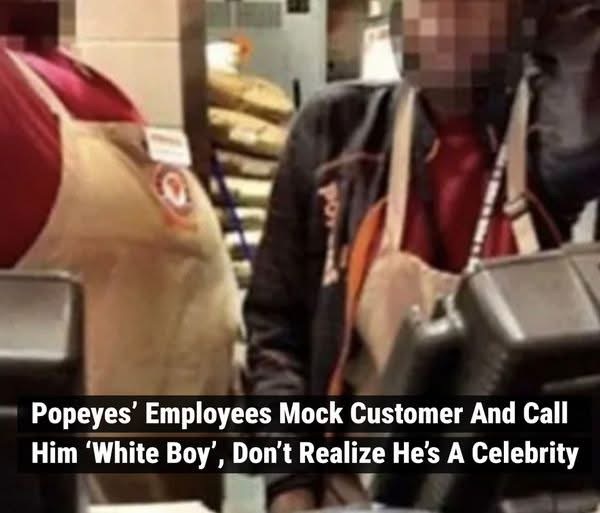
Bice’s social media post, however, was swiftly removed by Facebook. The platform cited its anti-bullying policies, specifically its prohibition against publicly identifying and shaming private individuals. This action sparked a further debate regarding free speech, social media accountability, and the complexities of addressing allegations of racial discrimination in the digital age.
The Broader Implications
A Deeper Look at Racial Bias
Bo Bice’s account highlights the insidious nature of subtle racism and the emotional toll it takes on victims. The seemingly minor acts of mockery and the racially charged comment, taken together, paint a picture of a deeply uncomfortable and upsetting experience. The incident serves as a reminder of the prevalence of bias, even in seemingly commonplace settings.
Navigating Public Outrage in the Digital Age
The removal of Bice’s Facebook post raises important questions about how individuals can effectively address instances of alleged discrimination in the digital sphere while simultaneously respecting the privacy of others. The incident highlights the delicate balance between expressing outrage and upholding responsible online conduct. The incident demonstrates the complexities of navigating public discourse, particularly when sensitive issues like racial bias are involved. The episode underscores the need for ongoing conversations about racial equality and respectful communication, both in person and online.